Table of Contents
When people think about fame, they often imagine a single lucky moment — a viral video, a casting call, or someone being “discovered” overnight. But in reality, celebrities almost never become famous by accident. Behind every actor, singer, influencer, or internet personality lies a long chain of strategy, networking, branding, and persistence.
The truth is simple: fame is rarely sudden — it is constructed.
In this article, we’ll break down the real path behind stardom and explain how celebrities actually rise from anonymity to global recognition.
1. The Foundation: Talent Is Only the Starting Point
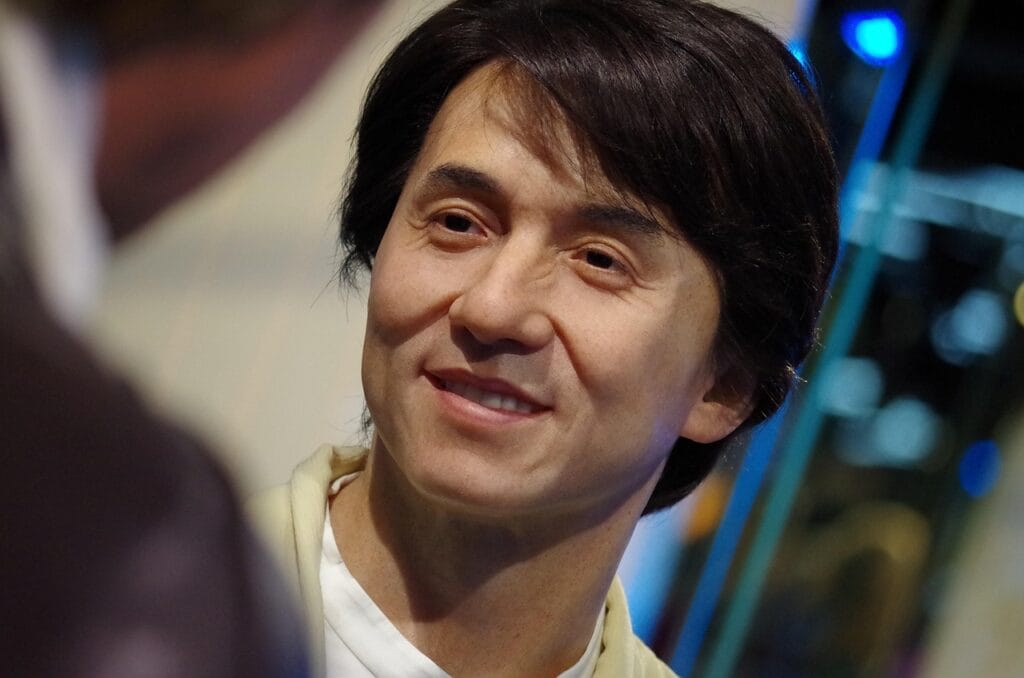
Many people believe talent is the main factor behind fame. It matters — but it is not enough.
Thousands of incredibly talented singers, actors, and creators never become famous. Why? Because the entertainment industry runs on visibility, not just ability.
To become famous, a person needs:
- A recognizable image
- A consistent public presence
- People talking about them
Think about actors like Chris Pratt. Before Marvel, he was a relatively unknown television actor on Parks and Recreation. He was talented long before Guardians of the Galaxy, but talent alone didn’t make him famous. The difference came when a major studio combined his personality, timing, and media exposure into a marketable public figure.
Hollywood calls this packaging — shaping a person into a brand audiences can easily understand.
The way Zendaya carefully times her interviews, social media posts, and appearances makes her a perfect example of strategic fame. Discover the full story in Zendaya’s carefully managed career.
2. The Gatekeepers: Agents, Managers, and Publicists
The real beginning of most celebrity careers starts when a professional believes the person is marketable.
There are three critical roles:
Agent
Finds auditions, contracts, and deals.
Manager
Guides long-term career decisions and image.
Publicist (very important)
Creates media coverage and attention.
Publicists are often the most overlooked factor in fame. Their job is literally to make the public aware you exist. They arrange interviews, magazine appearances, and social media campaigns.
Without publicity, even major actors fade quickly.
This is why sometimes a celebrity appears everywhere at once.
That is not coincidence — it is a coordinated media push called a press cycle.
3. The Breakthrough Moment (It’s Usually Planned)
People love the story of “overnight success,” but the industry sees it differently.
A breakout role usually comes after:
- Years of small roles
- Networking
- Acting classes
- Rejections
For example, Jenna Ortega worked in television for years before Wednesday made her globally recognized. The public saw instant fame; the industry saw a prepared performer finally matched with the right platform.
The same applies to musicians. Record labels rarely release an artist randomly. They test songs, social media reactions, and audience demographics first.
When a celebrity suddenly becomes famous, it is often because:
The audience is discovering them for the first time — not because they are new.
4. Social Media Changed Fame Forever
Today, Hollywood is no longer the only path to stardom.
Platforms like:
- TikTok
- YouTube
have created a new category: the self-built celebrity.
Unlike traditional actors, influencers bypass casting directors and speak directly to audiences.
Some examples:
- Charli D’Amelio (TikTok)
- MrBeast (YouTube)
- Addison Rae (social media to acting)
The new formula is:
Attention → Audience → Monetization → Legitimacy
Once millions follow someone online, brands, studios, and producers approach them — not the other way around.
This is why many celebrities today are famous before they ever appear in a movie.
5. Controversy and Public Attention
Another uncomfortable truth: attention — even negative attention — increases fame.
Entertainment media runs on visibility. A controversial moment, interview, or public relationship can dramatically boost recognition.
This doesn’t mean scandals are always planned, but publicity teams understand a key psychological principle:
People remember emotion more than achievement.
A dramatic breakup or viral moment often spreads faster than a professional accomplishment.
If you want to explore this idea deeper, you can also read:
“10 Reasons Celebrities Are Bad Influences”
https://fonsly.com/10-reasons-celebrities-are-bad-influences/
6. Branding: The Most Important Stage
Eventually, every successful celebrity becomes more than a person — they become a brand.
Examples:
- Dwayne Johnson → motivation and work ethic
- Taylor Swift → storytelling and relatability
- Kim Kardashian → lifestyle and beauty
Branding determines longevity.
Actors without a clear identity often disappear after their peak moment because audiences cannot easily define them.
Branding includes:
- Clothing style
- Interview personality
- Social media tone
- Causes they support
Once branding is clear, audiences feel familiarity — and familiarity creates loyalty.
7. Personal Story — When Fonsly Started Growing
Interestingly, this same principle applies not only to celebrities, but also to websites.
When Fonsly.com first launched, it didn’t immediately gain traction. Articles existed, but there was no clear identity. Some posts were general information, others were lifestyle, and readers didn’t yet understand what the site represented.
The change happened when the content became focused on celebrity culture and entertainment psychology.
After publishing celebrity-focused articles consistently, something surprising occurred: traffic from the United States began increasing week after week. Visitors were staying longer, reading multiple articles, and returning regularly.
The turning point wasn’t luck — it was positioning.
Once the site had a clear theme, readers recognized what Fonsly was about.
This mirrors celebrity fame perfectly:
Recognition happens when the audience understands who you are.
Just like actors need branding, websites need topical identity. Google also responds the same way audiences do — clarity builds trust.
8. Media Cycles and Longevity
Fame doesn’t stay constant. Celebrities move through cycles:
- Discovery
- Peak popularity
- Stabilization
- Reinvention
The stars who last decades reinvent themselves.
Example: Robert Downey Jr.
He was famous, then disappeared from Hollywood, then returned with Iron Man and became even bigger.
Reinvention keeps audiences curious.
9. The Role of Fans
Fans are not just passive viewers — they are active promoters.
Modern fandoms:
- Share clips
- Create memes
- Defend celebrities online
- Create communities
This turns audiences into marketing teams.
A celebrity with loyal fans can outperform a more talented person with no dedicated audience.
Fame today is not just media-driven — it is community-driven.
For a deeper look at how audiences connect to public figures, you can also read:
https://fonsly.com/mia-sharrocks-biography/
10. The Real Formula of Fame
After examining actors, musicians, and influencers, a clear pattern appears.
The real formula is:
Exposure + Identity + Consistency + Audience Connection = Fame
Not luck.
Not just talent.
Talent opens the door, but recognition comes from repeated exposure and emotional connection with an audience.
Curious about how stars actually reach that level of success? After taking inspiration from their homes, you might want to understand their journey too. Read our feature “How Celebrities Become Famous: The Real Path Behind Stardom” to discover the strategy, media exposure, and branding that turn ordinary people into global celebrities.
Conclusion
Celebrities don’t simply appear — they are gradually introduced, refined, and presented to the public. Agents coordinate opportunities, publicists create visibility, branding builds recognition, and fans sustain popularity.
The myth of overnight success persists because audiences see the moment of arrival, not the years of preparation.
Whether it’s a Hollywood actor, a TikTok influencer, or even an online platform, the same rule applies:
People become famous when others begin to recognize them repeatedly.
Stardom is not a single moment.
It is a process — carefully built, continuously maintained, and powered by attention.